An MVP customers can pay for.
I design and build the first version that can take money: scoped to what earns the first invoice, with the code in your own repository from week two.
| What you buy | From | Usual time |
|---|---|---|
| Product or MVPDesigned and built, with the code in your repository | €24k | 4–8 weeks |
Week one is a fixed fee of €3,000, counted toward the project. Stop at the end of it and I refund it in full. Prices excl. VAT.
Scope
What you get, and what you don’t.
Included
- The scope cut to the smallest version someone can pay for
- Flows, screens and the UI kit behind them, designed and built by me
- Accounts, roles, a database, and payments if the product takes money
- The code in your repository from week two, each stage yours once it is paid
- A live preview link, updated every week
- A handover your next developer can pick up from
Not included
- Native iOS and Android apps. That is the App scope.
- Running costs: hosting, database, email, AI usage. Billed to you, by them.
- A security audit or a compliance certificate. I build so one can pass; I don’t issue them.
- Work after launch. That is the Marathon retainer, from €7.5k a month.
Anything under “Not included” can be added. It changes the quote, and you see the new number before I start.
Price
What moves the price.
Moves the price up
- More than one kind of user
- Integrations with systems that have poor APIs
- AI features that have to be evaluated, not only prompted
- Regulated data, such as health or payments
Keeps it at the from-price
- One core flow
- Off-the-shelf sign-in and payments
- Someone on your side who can test with real users every week
The problem
Two ways an MVP goes wrong. One cause.
Stop demoing slides.
Founders describe the same two failures. A dev shop starts from a loose idea, and you watch the scope explode while the runway shrinks. Or the build is cheap and fast, works for a month, and collapses when you add the second feature, so you pay twice.
Both come from one gap: the person who designs it and the person who builds it are different people, and nobody owns the whole.
I do both. Week one gives you the scope in writing, the main flow as real screens, and a live link. If it isn’t right, you stop there and I refund the €3,000.
The numbers
Runway is the real budget. Here is one public number.
Public benchmark
70%
of venture-backed startups that shut down since 2023 ran out of capital. A shorter build at a fixed price leaves more of the money for selling.
Source: CB Insights, Why startups fail (opens in a new tab), 2026. 431 companies, published March 2026. A public benchmark. It is not a result of mine and not a promise.
What it costs in runway
Type your numbers and the sum appears here.
Your numbers, your estimate. They stay in this tab: nothing is saved or sent.
Proof
Products I have worked on, labelled honestly.
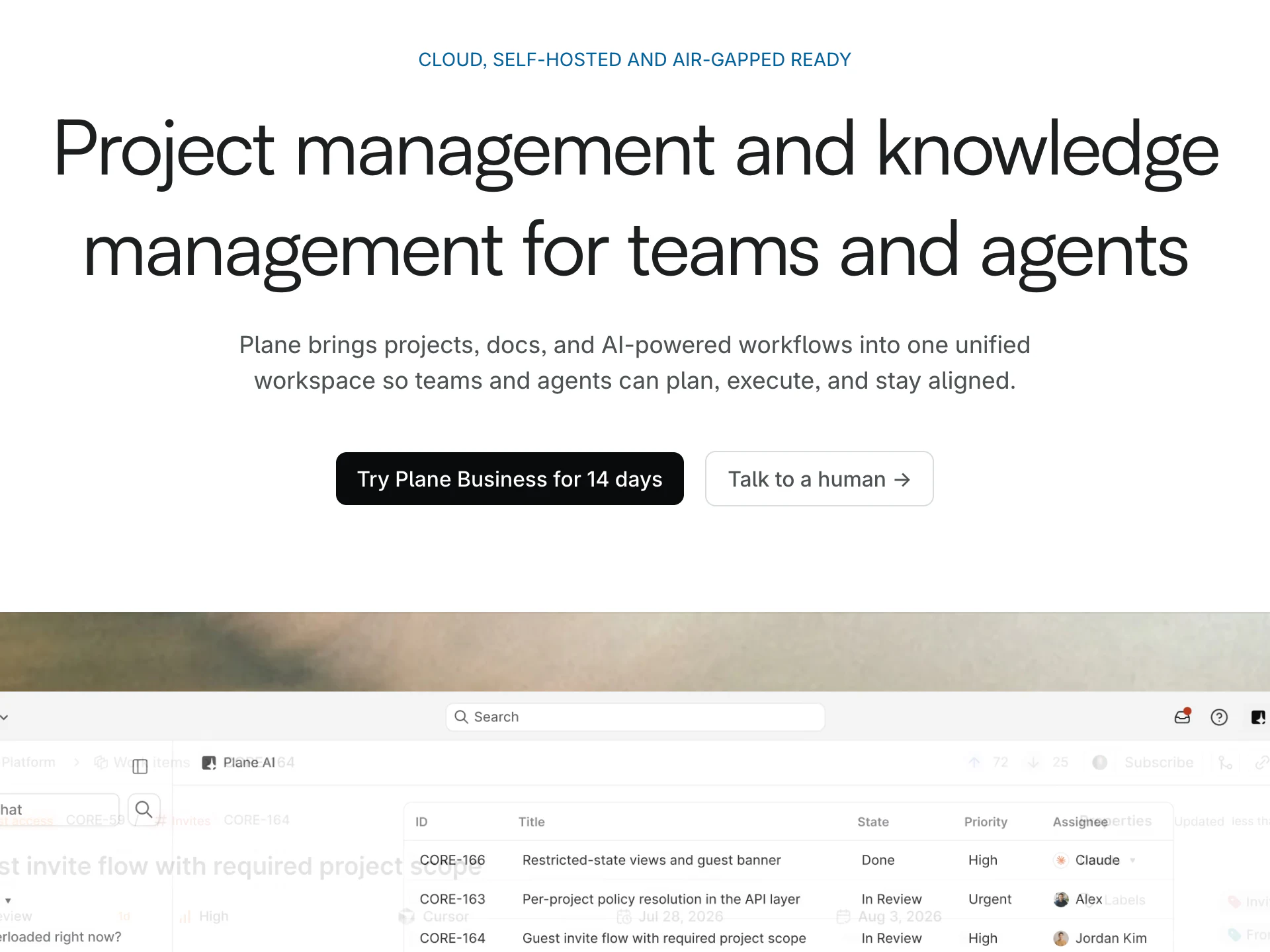 SectorProject management softwareRoleClient projectPlaneThe marketing site for an open-source project tool. It opens on the real app.
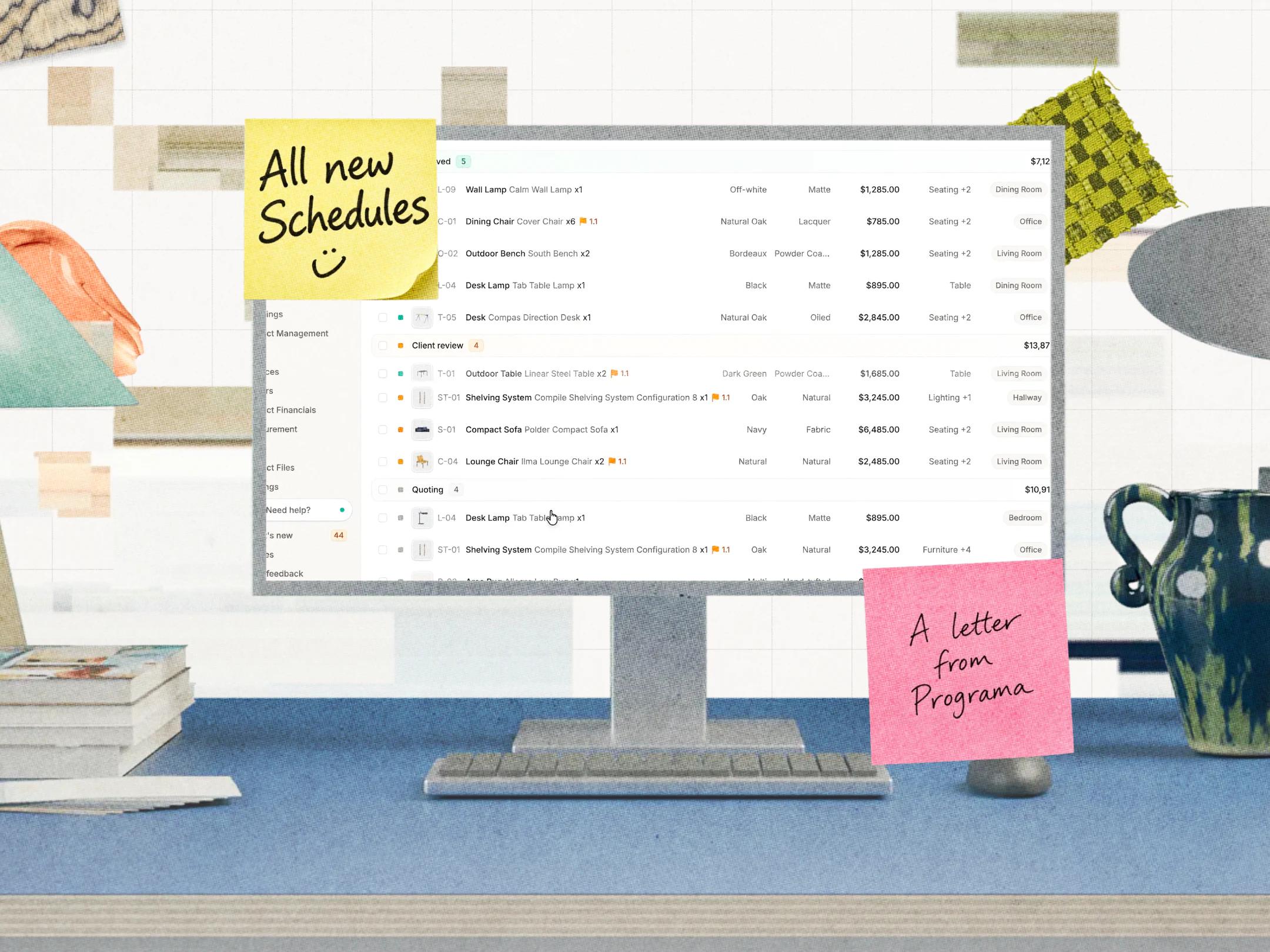 SectorSoftware for interior designersRoleClient projectProgramaThe site for project software made for interior design studios.
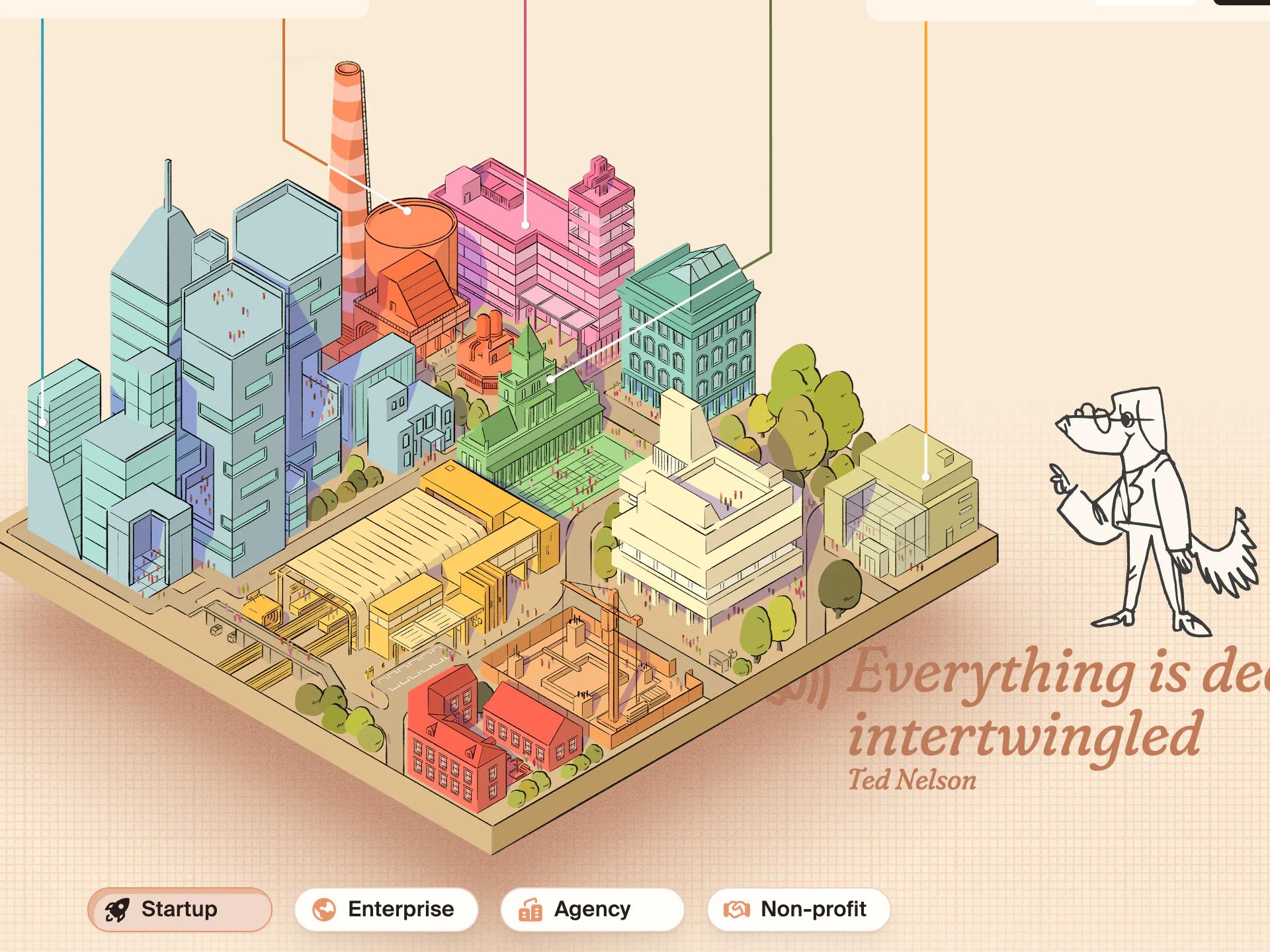 SectorWork management softwareRoleStaff roleFiberyDesign engineer at Fibery. I worked across the brand, the product and the website, inside the app as much as on the marketing side.
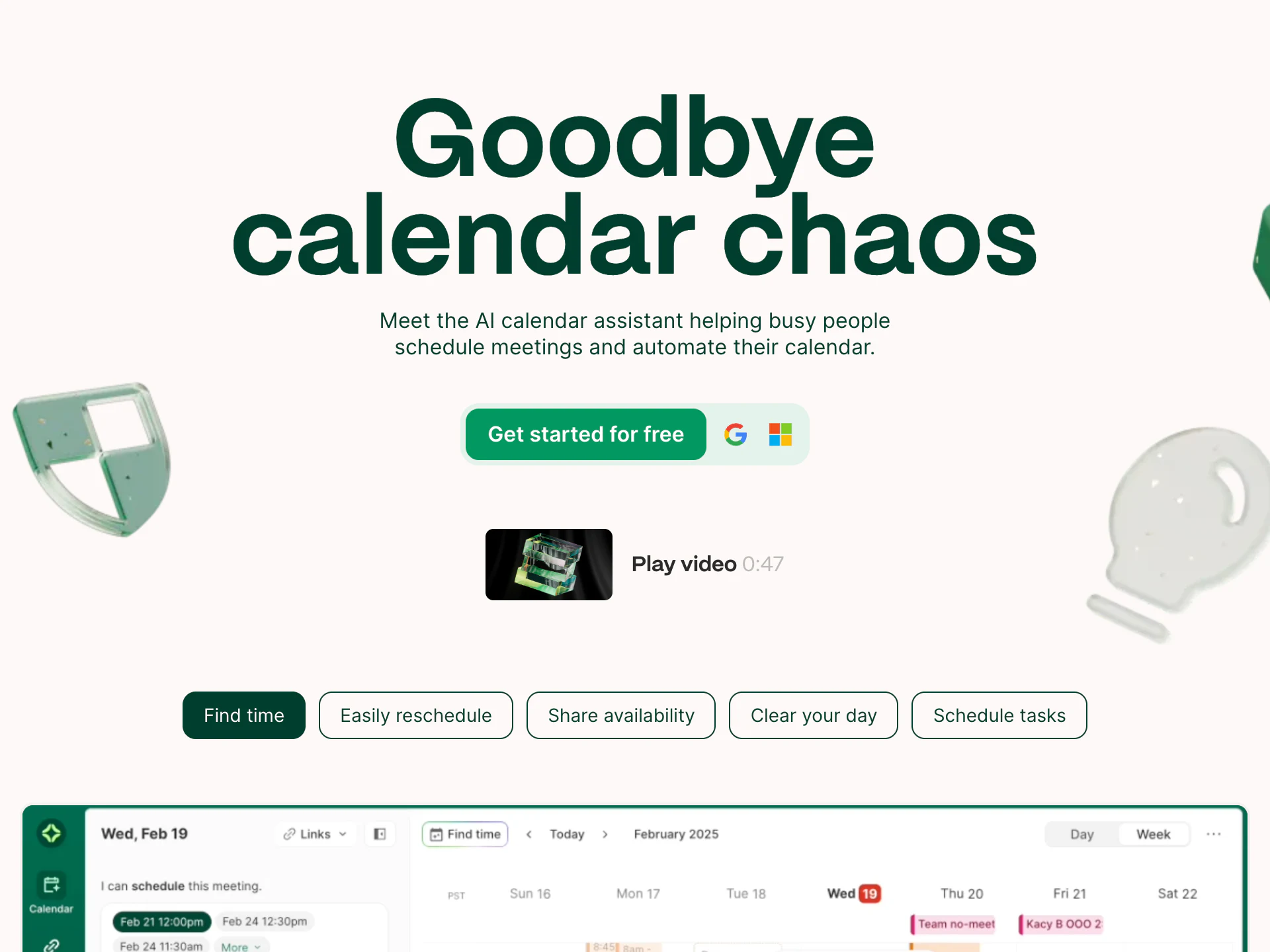 SectorAI calendar assistantRoleStaff roleClockwiseDesign engineer at Clockwise. Product and UX work across the key flows of an AI calendar assistant.
- RolePrivate workClinic platform with 3D insole designPodiatry clinics go from a foot scan to a finished insole in the browser: patient records, a 3D insole editor, and output to a 3D printer or a CNC mill.Internal tool. Screens recreated for confidentiality. No public link.
- RolePrivate workCustom CRM with a browser power dialerA browser power dialer for outbound sales: contacts in lists, called one after another, with a call log and a score for each call.Internal tool. Screens recreated for confidentiality. No public link.
The two client cards are websites I built for software products, not the products themselves. The product work is in the staff roles and in the two private tools.
AI
AI features people actually use.
Most AI features fail at the interface, not at the model. The capability is paid for and nobody uses it, because people can’t see what the agent is doing, can’t correct it, and don’t trust what comes back.
I design and build that layer. I’m also a design engineer at Supabase, where the product is used by developers and, more and more, by their agents.
78% of organisations reported using AI in 2024, up from 55% the year before. Source: Stanford HAI, AI Index Report (opens in a new tab), 2025.
- A run viewWhat the agent did, step by step, in the words of the person who has to approve it.
- Approval before anything irreversibleThe proposed action, what it changes, and three answers: approve, edit, reject.
- A way to correct it mid-taskStop, change the instruction, carry on. No starting over.
- Plain labelsWhat a person wrote, what the model wrote, and where each fact came from.
- RoleConceptAgent run consoleEvery step an AI agent took, on a timeline you can drag backwards. Made for the person who approves what it does, in their words and not an engineer’s.A concept I drew to show the idea. Not client work.
- RoleConceptSelf-structuring CRMA CRM that reads the call and fills in the record, with every field tied to the sentence it came from. You accept or reject; nothing is saved behind your back.A concept I drew to show the idea. Not client work.
- RoleConceptVoice agent call consoleReplay a phone agent’s call word by word and watch the booking land in the calendar at the second it was made. For the manager who has to audit the calls.A concept I drew to show the idea. Not client work.
Week one
Hire me for a week first.
Fixed feeFive working days
Week one
€3,000counts toward your project
Refundable
If you stop on day fiveWeek one is a product of its own: five working days for a fixed €3,000, counted toward the project. You get the scope in writing, real screens and a live link. Then you decide.
- Day 1The scope, in writing
- Day 2First real screens
- Day 3A live link
- Day 4Your notes, my changes
- Day 5You decide
Stop at the end of week one and I refund it in full.
Questions
Questions people ask before the call.
Yes, and founders do. A working product with real users says more than slides. What I can’t tell you is that it will close the round.
It is built as the first version of the real product, not a demo: a normal database, a codebase another developer can read, and tests on the parts that touch money or data. If it needs rework at a hundred times the users, that is a good problem to have, and the handover says where it will pinch first.
As many as it takes inside the agreed scope. Changes inside the agreed scope of a stage are included until you sign it off. A change that adds scope gets a price first, and you decide before I build it.
You do, once it’s paid. Week one’s work becomes yours when you carry on; stop in week one and it stays with me, and you get the fee back. After that, each stage’s work and its IP are yours once that stage is paid, and I keep no rights to them. I treat your business information as confidential and can sign an NDA.
In your accounts from the day you carry on past week one: your repository, your hosting, your domain, your design files. I work inside them, so nothing has to be handed over at the end.
Figma for design. Webflow, Framer, Next.js, React or Expo for the build. If your team already has a stack, I work in yours.
Week one is the first week of the project, sold as its own sprint: a fixed fee of €3,000, counted toward the project. Stop at the end of it and I refund it in full. The work from that week stays with me.
Your choice. Your team can take it over, since everything is documented and already in your accounts. Or I stay on with a Marathon retainer for improvements, new features and support, from €7.5k a month.
Yes, to move faster: research, first passes and boilerplate code. I don’t hand you its first draft. Every design decision and every line that ships goes through me.
Not without you agreeing to it. I use AI tools on my own drafts, research and code. Confidential client material stays out of them unless we’ve agreed otherwise in writing, and I can sign an NDA that says so.
Promises
Four promises, in writing.
Fixed price
No overrunsThe price on the quote is the price. If I underestimated, that is my cost.
Staged payments
Stop after any stageYou pay per stage and can stop after any stage.
Week one
Refunded if you stopWeek one is a fixed fee of €3,000, counted toward the project. Stop at the end of it and I refund it in full.
Revisions
Until you sign offChanges inside the agreed scope of a stage are included until you sign it off.
A product or MVP starts at €24k. Week one costs €3,000, and you get it back if you stop there.